01
Trust before pressure
We build familiarity and communication first. Challenge is introduced gradually, never forced.
One-on-one instruction for children and adults who need time, trust, and a learning environment built around the individual — including autistic and neurodivergent students.
Andover, Massachusetts · Private instruction · Children & adults
Not everyone learns well in a large, fast-moving class. Quiet Mind creates a smaller entry point: clear instruction, fewer distractions, and progress at a pace that feels safe enough to keep trying.
The goal is not to change who the student is. It is to adapt the environment and the teaching so real learning can happen.
We build familiarity and communication first. Challenge is introduced gradually, never forced.
Techniques are broken into manageable steps with visual demonstration, repetition, and predictable structure.
When appropriate, private sessions can help prepare a student to feel more comfortable joining a group academy.
Quiet Mind may be a good fit when the interest is there, but the usual class environment feels like too much, too fast.
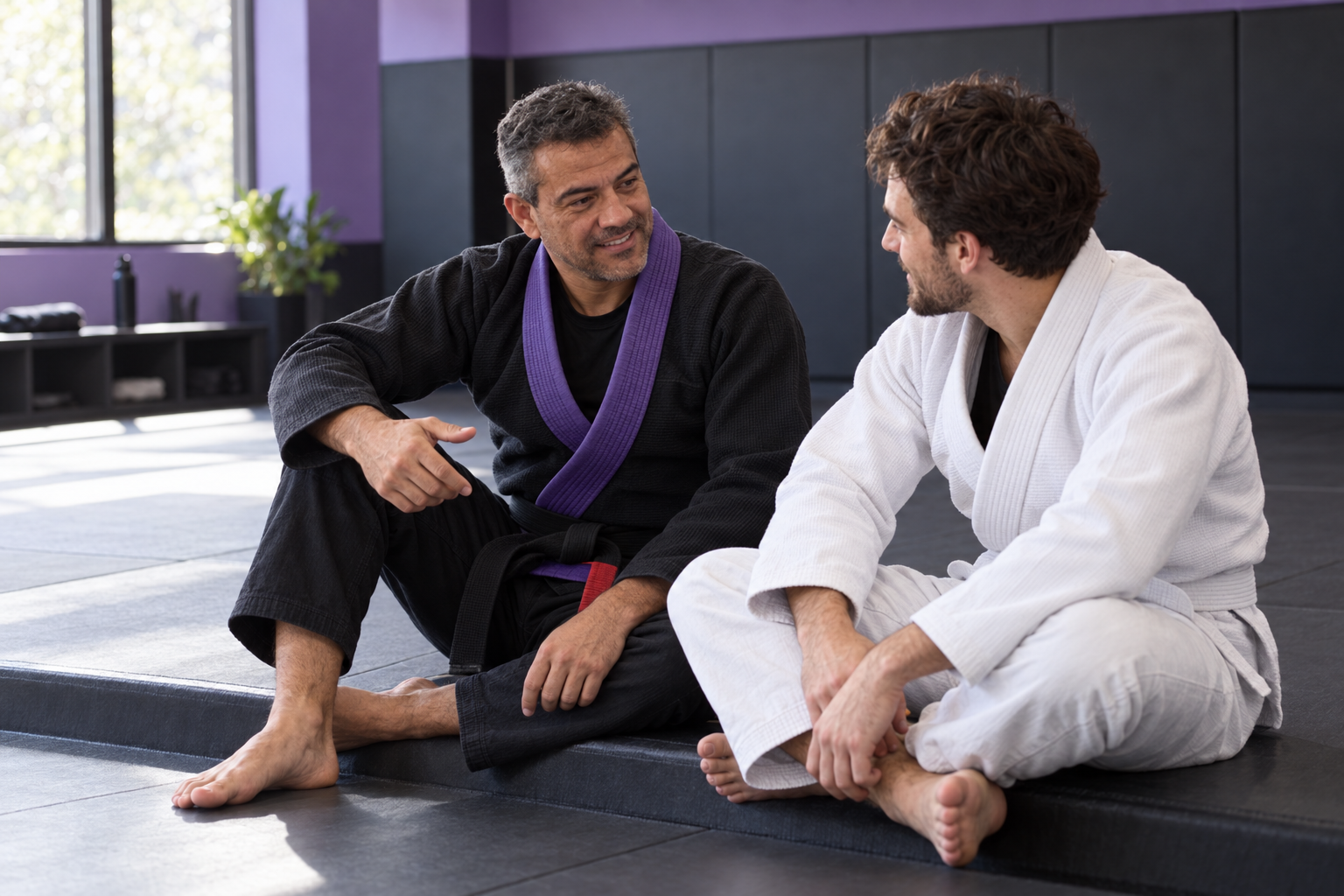
Some students need more time before the first technique. Others need fewer words, a clearer routine, or space to ask questions without an audience.
Quiet Mind begins with the person, then builds the Jiu-Jitsu around what helps them learn.
International research suggests that structured physical activity and adapted martial arts can support movement, participation, and some aspects of executive and social functioning for autistic people.
The findings are encouraging, but the studies are still relatively small and varied. Quiet Mind uses research to make better teaching decisions — never to promise a result or present Jiu-Jitsu as treatment.
Regular physical activity supports health across ages and abilities. Recent research on organized sports for autistic children also reports promising motor outcomes, especially in balance and gross motor skills.
WHO guidance ↗Small controlled studies of karate and mixed martial arts have reported gains in areas such as executive function, communication, and motor coordination. Reviews also warn that the overall certainty of evidence remains limited.
View a randomized study ↗Visual supports, consistent routines, and clearly signaled transitions are widely studied ways to increase predictability and participation. At Quiet Mind, the lesson is made easier to read before it is made harder.
Review the evidence ↗Research identifies sensory overload, social exclusion, limited support, and a lack of appropriately trained adults as barriers to physical activity. A better environment can remove unnecessary obstacles.
Read the participation study ↗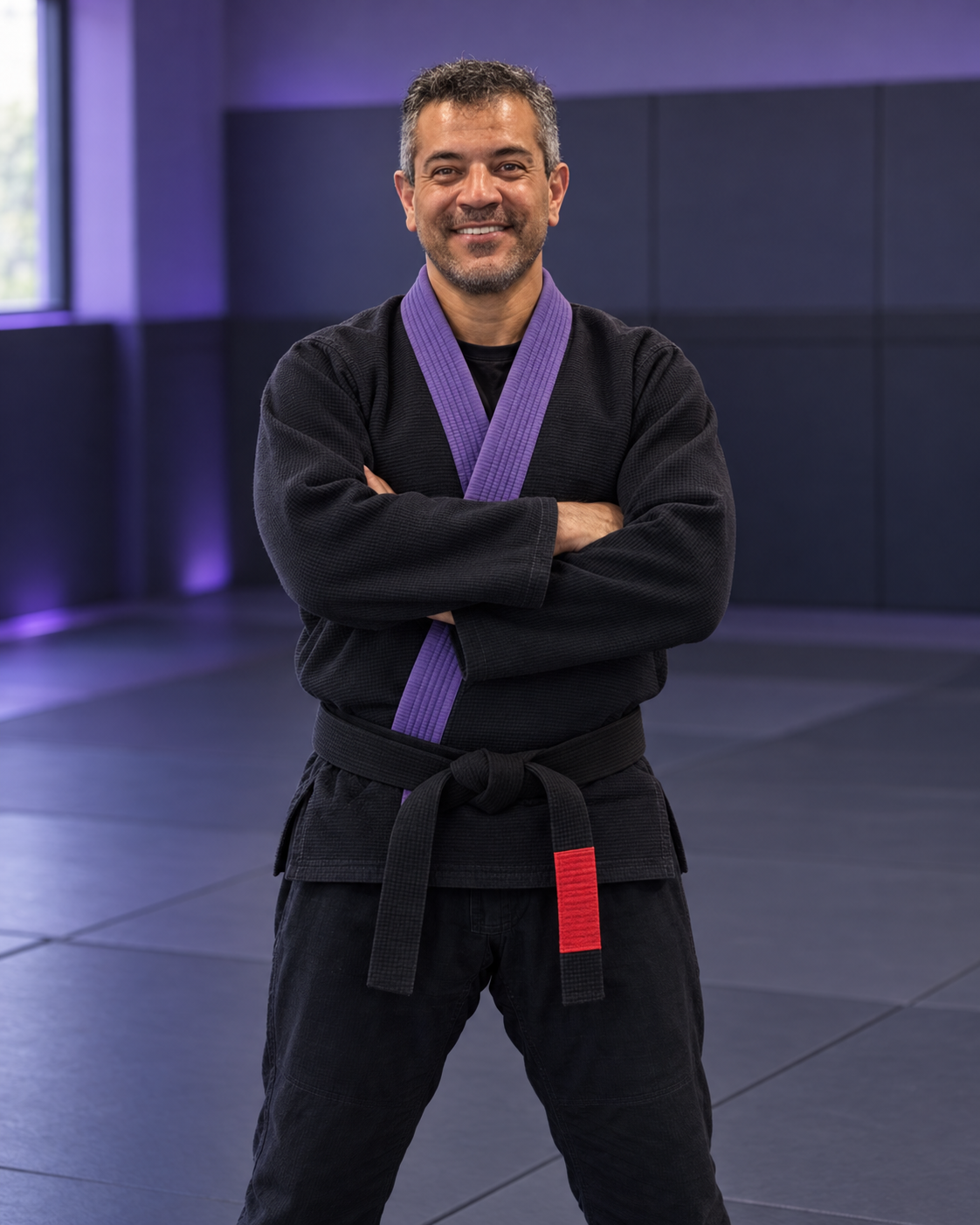
Brazilian Jiu-Jitsu black belt and experienced instructor at Gracie Barra Andover. Marcos created Quiet Mind to offer individual support to students who may need a different doorway into Jiu-Jitsu.
“The student should not have to fit the method. The method should be able to reach the student.”
Quiet Mind is individualized martial arts instruction, not therapy or a clinical service. When a student's needs fall outside the scope of coaching, we say so clearly.
Quiet Mind BJJ is an independent project and is not operated by or affiliated with Gracie Barra.
No sales pitch. Tell Marcos a little about the student, the goals, and any concerns. Together, you can decide whether Quiet Mind is the right place to begin.